
How to Choose the Right ECM Platform
Choosing the Right ECM Solution: Features, Integration, Deployment, and Cost
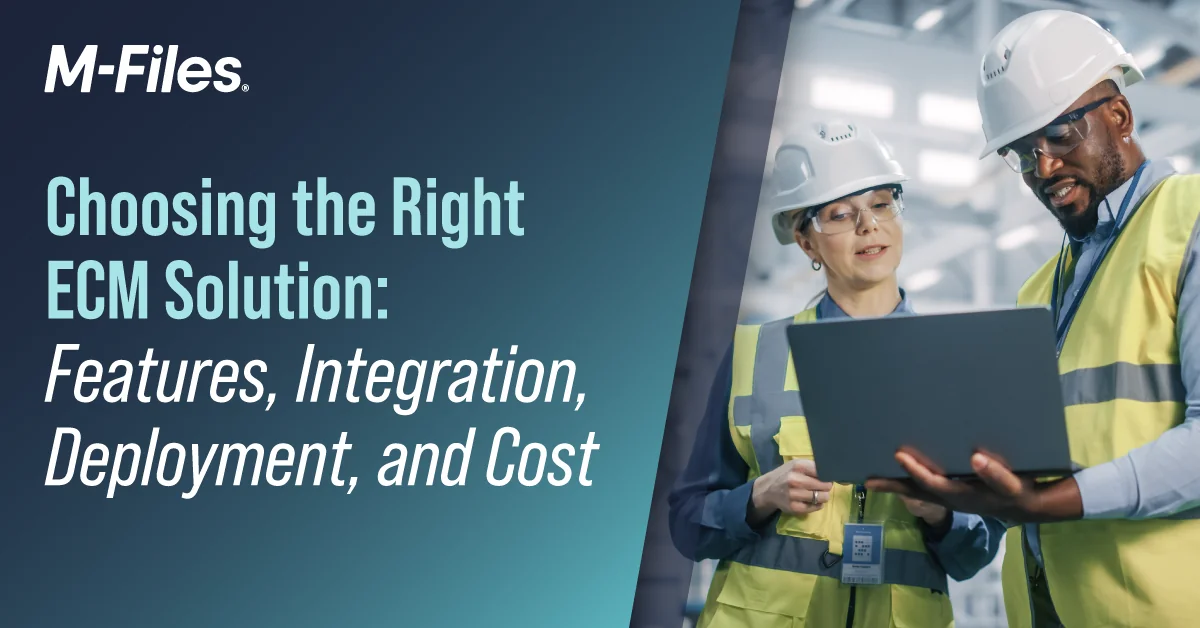

Selecting an Enterprise Content Management (ECM) solution is a critical decision. The right platform improves efficiency, strengthens compliance, and reduces costs. With so many options available, it is important to focus on the features and capabilities that will deliver the most value.
What features should I look for in an ECM solution?
A strong ECM solution should make content easy to organize, find, and secure. Core features to prioritize include:
- Intelligent search and metadata-driven organization
- Version control to prevent confusion
- Role-based permissions and detailed audit trails
- Workflow automation for faster reviews and approvals
- Mobile and remote access to support flexible work
These features ensure information is accessible, secure, and governed across its entire lifecycle.
Can an ECM integrate with other enterprise systems like CRM or ERP?
Yes. Integration is one of the biggest advantages of ECM. By connecting with systems like CRM and ERP, an ECM solution ties documents directly to the business processes they support. For example, a contract in ECM can link to a customer record in CRM, while invoices can be connected to ERP transactions. This reduces silos and gives employees the full context they need.
Can ECM integrate with Microsoft programs?
Many ECM platforms integrate seamlessly with Microsoft applications. Users can create, edit, and save files directly from Word, Excel, Outlook, or Teams. This makes adoption easier, since employees continue working in familiar tools. Some ECM systems also connect with SharePoint, extending governance and compliance features across Microsoft environments.
Should we choose an on-premises or cloud-based ECM system?
The choice between on-premises and cloud comes down to priorities. Cloud-based ECM is faster to deploy, scales easily, and shifts maintenance to the vendor. On-premises systems give more direct control, which can be important for organizations with strict security or regulatory requirements. Hybrid models combine both approaches, keeping sensitive data on-premises while using the cloud for flexibility and collaboration.
How do I choose the right ECM platform for my organization?
Start with your goals. Do you need to improve compliance, reduce paper, or speed up approvals? Once priorities are clear, evaluate platforms based on their features, integrations, and usability. Ease of adoption is critical. A system that employees struggle to use will fail to deliver value. Pilot programs and demos can help confirm which solution fits your workflows before a full rollout, and understanding the ECM implementation process and adoption best practices can help ensure long-term success.
What are some examples of popular ECM software platforms?
The ECM market includes many vendors, each with different strengths. Notable platforms include:
- M-Files: metadata-driven, organizes content by what it is rather than where it is stored
- OpenText: extensive compliance and enterprise-scale capabilities
- Box: cloud-first, collaboration-focused document management
- Laserfiche: workflow and automation features, often used by mid-sized organizations
The best choice depends on your specific needs. Compare vendors by functionality, scalability, and ease of adoption rather than brand name alone.
How much does an ECM system cost?
Pricing depends on deployment model, user count, and features. Cloud solutions often charge per user per month, while on-premises systems involve higher upfront licensing and infrastructure costs. Implementation, customization, and training also add to the total. The key is to weigh costs against return. Savings from reduced paper, faster processes, and fewer compliance risks often offset the investment within the first year.
Next Steps: Choosing the Right ECM That Fits Your Future
Choosing the right ECM solution means balancing features, integrations, deployment options, and cost. A well-selected platform improves productivity, strengthens compliance, and supports long-term business goals.
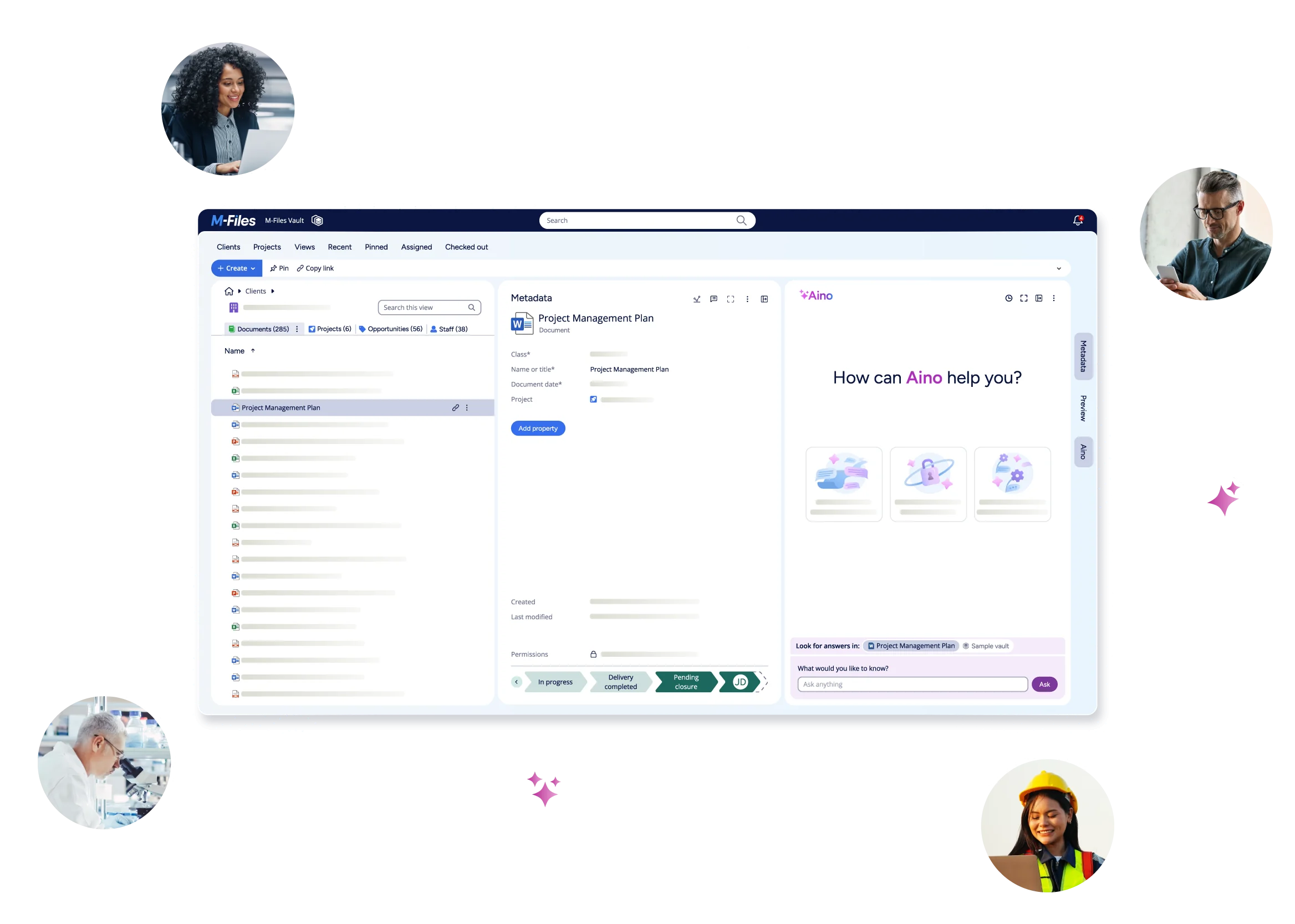
See how M-Files makes this process simple. Our metadata-driven ECM platform helps organizations manage documents, automate workflows, and ensure compliance, all in one system. Start your free trial today and experience how M-Files transforms the way you manage information.
Latest Articles


Browse Topics
Resources
See M-Files in Action