
Protolabs
How Protolabs Transformed Quality Management and Enabled AI with M-Files
Highlights
- Unified quality management across sites: M-Files connects quality processes and documentation across multiple global facilities
- Stronger compliance and audit readiness: Centralized, controlled documents ensure instant access to audit-ready information
- Significant efficiency gains: Migrated 18,000 SDS documents in just three days and reduced annual costs by approximately $40,000
- Foundation for AI and automation: Structured metadata and workflows enable scalable AI-driven quality management

Use Case
Compliance Management
Quality Management
Industry
Manufacturing
Country
United States
Share This Story
Company Introduction
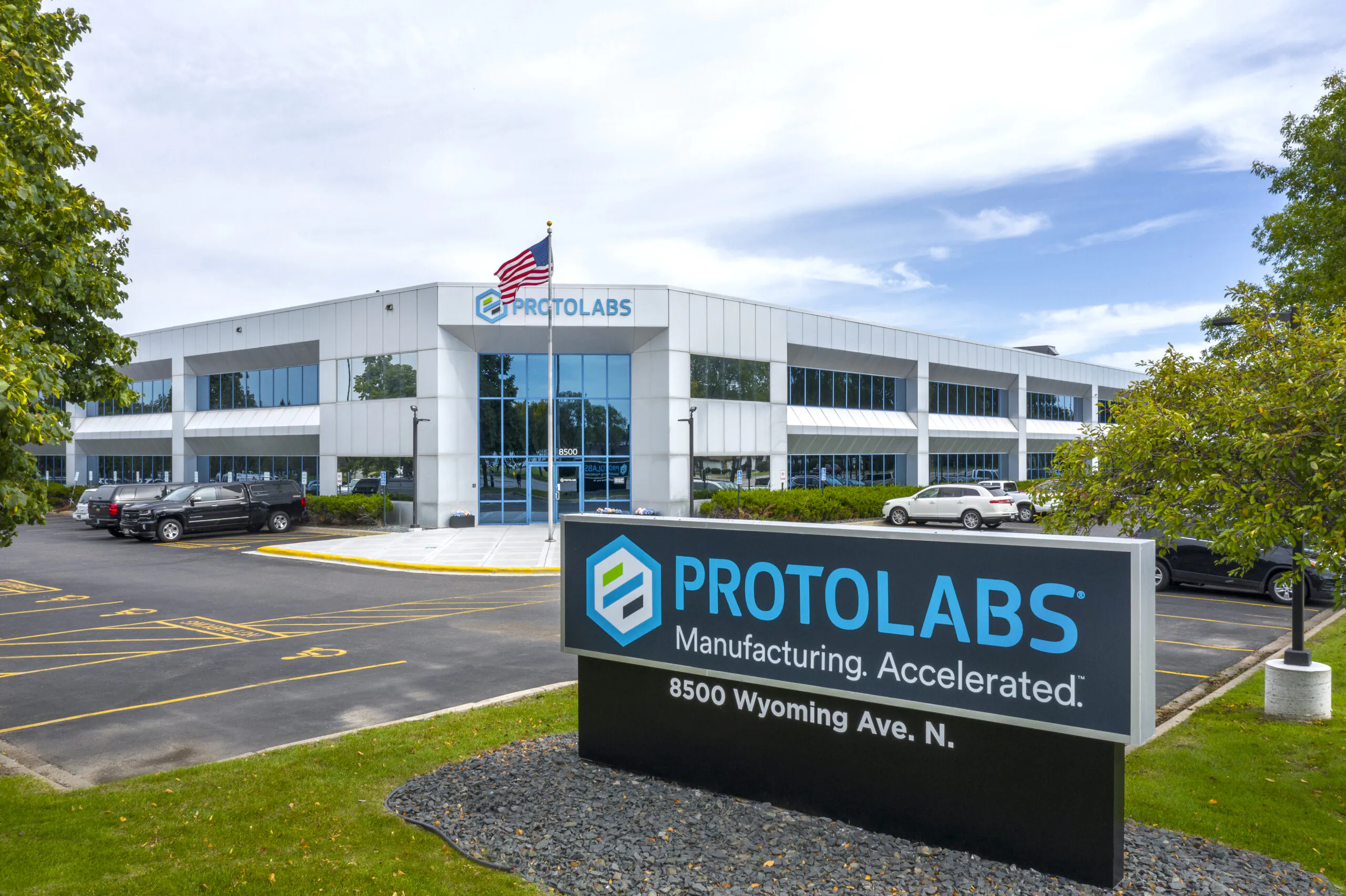
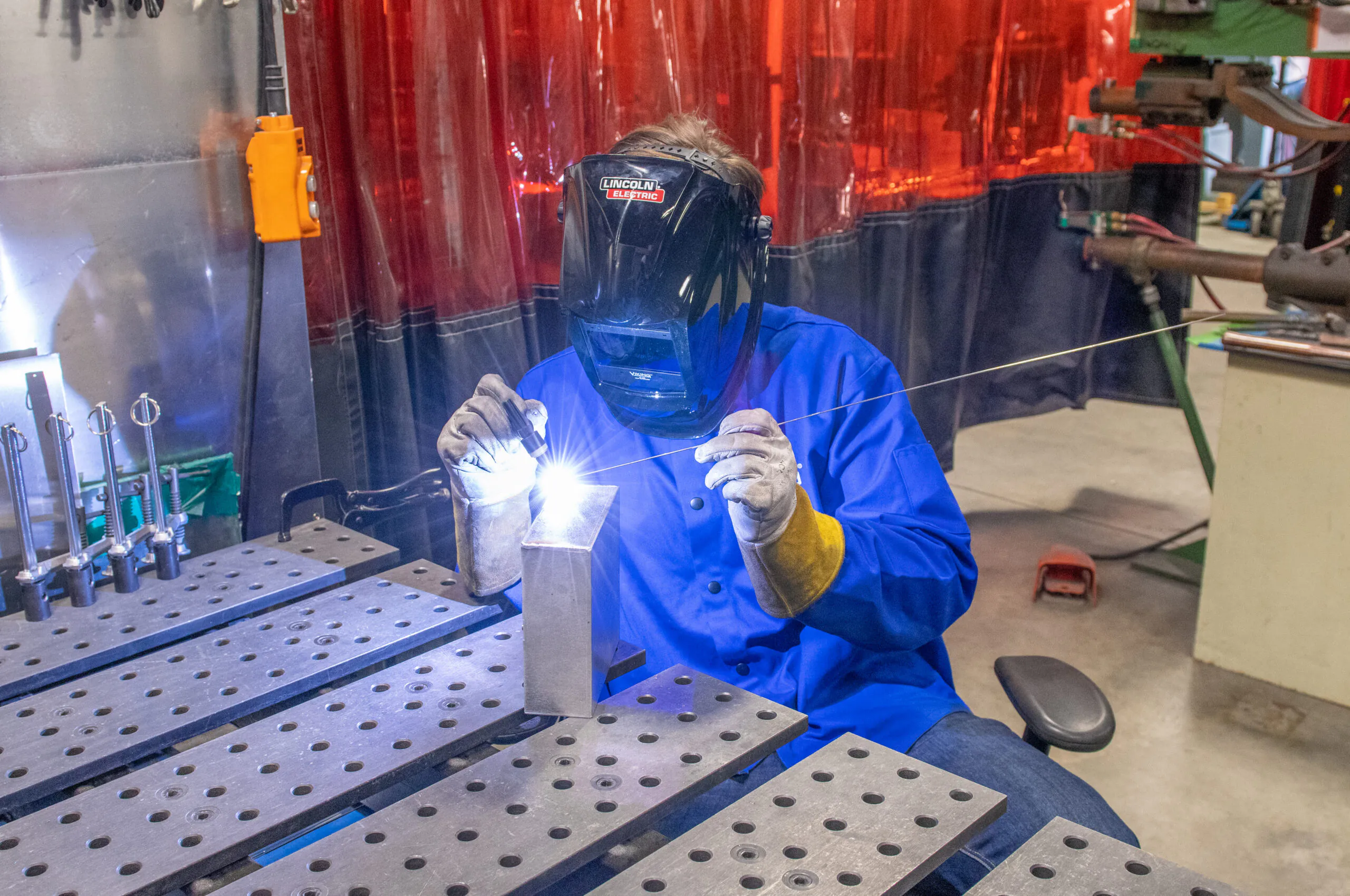
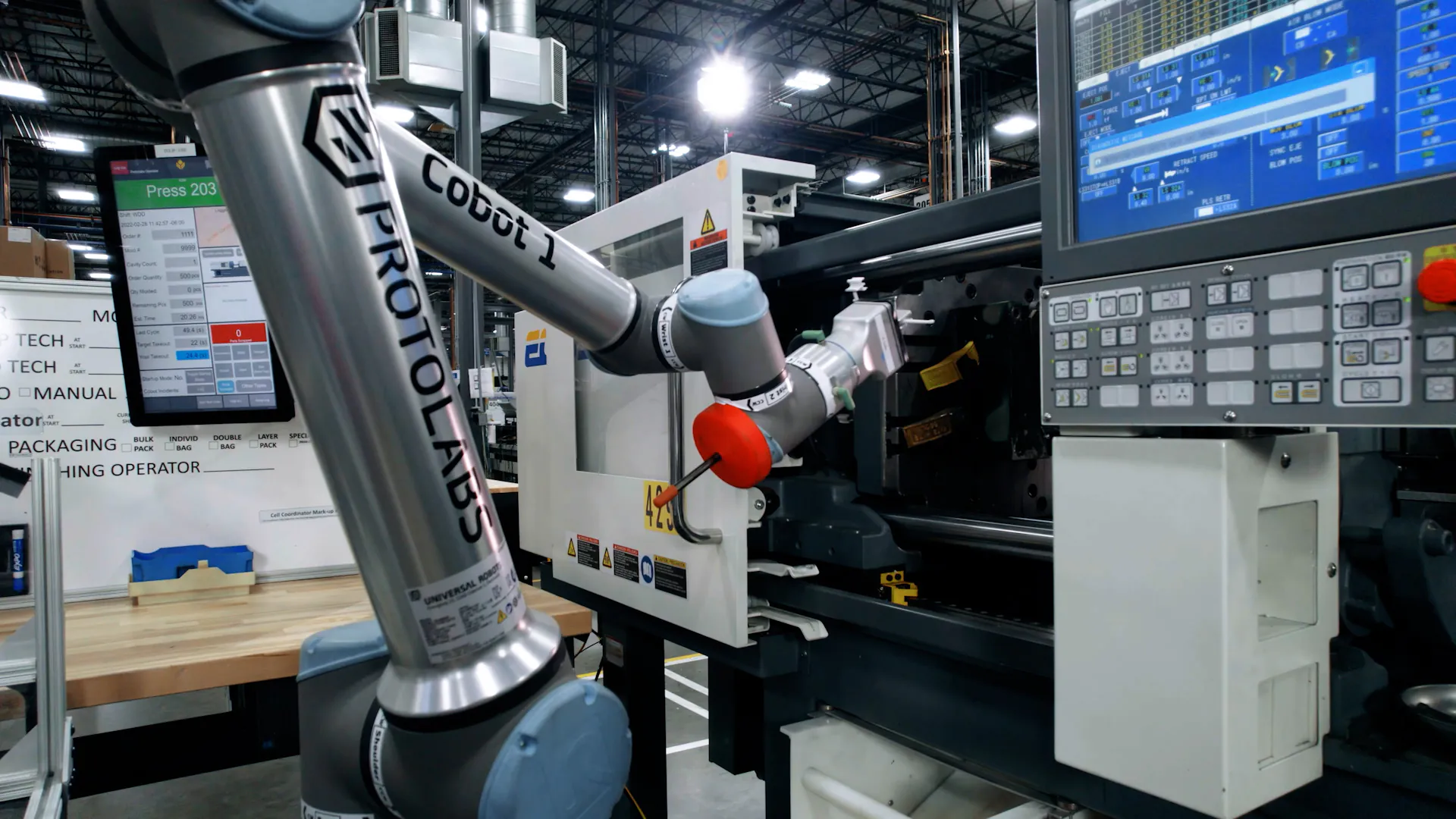
Protolabs is one of the world's largest digital manufacturers, serving more than 300,000 customers and producing over 750 million parts across industries such as aerospace, medical devices, industrial manufacturing and energy. The company operates manufacturing facilities across the United States and internationally, as well as a global partner network.
With this scale comes significant complexity. Protolabs must manage quality-critical information across suppliers, products, facilities, employees and processes while maintaining compliance with industry standards such as ISO 9001 and AS9100.
For Brian Creighton, Quality Program Manager at Protolabs, the challenge was not simply managing documents, but ensuring that information could be trusted, accessed and used effectively across the organization.
"When you have a company of this size, with multiple sites and global partners, that's a lot of information you need to bring together and make accessible for a large number of people," Brian explains.
Key Challenges Before M-Files
Traditional File Structures Could Not Keep Pace with Growth
Before implementing M-Files, Protolabs relied on network drives and traditional folder structures. Each location maintained its own file repositories, and access was managed through permissions on individual network drives.
As the company expanded, this approach became increasingly difficult to maintain. Managing permissions across multiple locations required significant effort from IT teams, while employees often struggled to locate the information they needed.
"Ultimately, we had access restrictions and issues providing access to the various network drives. Managing all those permissions became cumbersome for our IT department, and finding documentation was difficult at times," Brian recalls.
For new employees, the challenge was even greater. Knowing where information was stored often depended on experience and familiarity with local folder structures rather than a consistent organizational approach.
Siloed Information Limited Collaboration
As new manufacturing sites and partner networks were added, information became increasingly fragmented across the organization. "As we started growing and taking on more locations and more sites, those siloed operations became a risk," Brian explains.
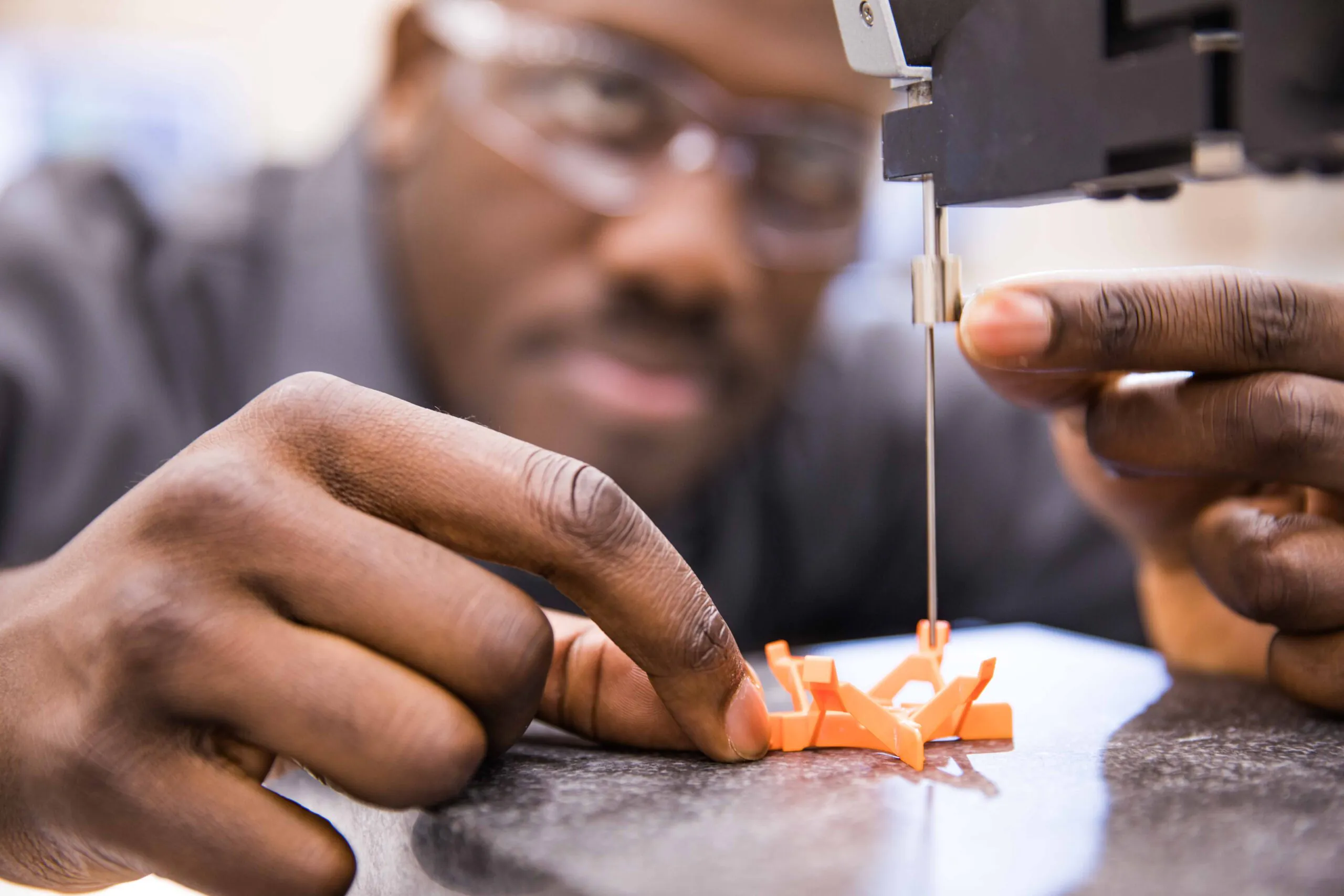
"M-Files ultimately was the solution that was going to meet the needs of the business long term. We were looking for something that was scalable with automation."
Brian Creighton, Quality Program Manager, Protolabs
Teams needed to collaborate across facilities, share quality information and maintain consistent processes. However, disconnected systems made it difficult to ensure everyone was working from the same information. This was particularly problematic for quality management, where approvals, signatures and documentation must remain traceable and auditable across the entire organization.
Compliance Requirements Demanded Stronger Control
Protolabs serves highly regulated industries and maintains certifications including ISO 9001 and AS9100. Managing compliance across multiple facilities requires complete visibility into document history, approvals and process execution.
Before M-Files, locating audit evidence could be a lengthy and frustrating process. "I've been there. An auditor asks for a certification, and you spend the next three hours looking through filing cabinets trying to find it," Brian says.
The company needed a system that could support document control, revision management, change control and audit readiness while scaling with the business.
The M-Files Solution
Choosing a Platform Built for Long-Term Growth
Protolabs evaluated several document control and quality management platforms before selecting M-Files.
While many solutions offered similar functionality, M-Files stood out because of its scalability, workflow automation capabilities and ability to support future business growth.
"M-Files ultimately was the solution that was going to meet the needs of the business long term. We were looking for something that was scalable with automation," Brian explains.
The company's decision was also influenced by M-Files' metadata-driven architecture, which offered a fundamentally different approach to managing information.
Adopting a Context-First Approach to Information
Protolabs implemented M-Files to move beyond traditional folder-based systems and adopt a context-first approach to managing information.
Instead of organizing documents based on where they are stored, M-Files organizes information based on what it is and how it relates to the business. Documents, suppliers, risks, corrective actions, products and processes can all be connected through metadata, making information easier to find, understand and use.
"The metadata approach really stood out to me. That's why we chose it," Brian says.
By organizing information around products, suppliers, facilities and quality processes, Protolabs created a connected information layer that supports both operational efficiency and compliance.
Embedding Quality Control into Workflows
Workflow automation has become one of the most valuable capabilities within M-Files.
Protolabs uses M-Files to manage quality documentation, supplier management, corrective actions, approvals and change control processes. Structured workflows automatically route tasks, assign responsibilities and ensure that required information is completed before processes can move forward.
"The workflows are what give us access to all of the automation and quality control that we require to maintain compliance," Brian explains. "They allowed us to build our quality control processes into a system and automate a majority of the actions that used to be done manually."
Manual effort is reduced while consistency across processes improves, helping teams maintain control as the organization continues to grow.
Supporting the Entire Quality Management System
Today, M-Files plays a central role in Protolabs' quality management system. The platform supports document control, supplier management, corrective actions, risk management and compliance processes while providing revision control, audit trails and change management capabilities.
Protolabs has also expanded its use of M-Files beyond document management by managing risks, mitigations and quality-related data as structured business objects connected through metadata. This approach allows teams to trace relationships between risks, projects, corrective actions and other operational information, providing greater visibility and control across the business.
Integrating with the Microsoft 365 Environment
M-Files is closely integrated with Protolabs' Microsoft environment, creating a familiar experience for users while maintaining governance and control. The integration with Microsoft systems simplifies user management and enables employees to work with information through familiar tools such as Word and SharePoint.
"Our ability to use our Microsoft systems allows us to have this seamless interaction with all of the systems we have internally," Brian explains. "Being able to interact with M-Files through traditional Word documentation makes that transition easy for users that are accustomed to that sort of thing."
The company continues to explore deeper integration opportunities across Microsoft 365, Microsoft Teams and AI technologies.
The Results
Consistent Quality Management Across Sites
M-Files has enabled Protolabs to standardize quality processes across manufacturing sites and partner locations.
Quality teams can now access information from any site, ensuring that documentation, approvals and quality processes remain consistent throughout the organization.
"We have seven sites that can now collaborate without any problems," Brian says.
Working from shared information and standardized processes has improved collaboration and alignment across the business.
Faster Access to Audit Evidence
M-Files has transformed how Protolabs prepares for audits. All quality-critical information is centrally managed and immediately accessible.
"If we have an auditor that comes in, we have everything we need at our fingertips," Brian explains.
Audit preparation becomes less stressful and more efficient because documentation, approvals and revision histories are readily available.
The structured environment also gives auditors confidence in the company's controls.
"As soon as you show M-Files to an external auditor, they understand you're in a structured environment," Brian says.
"If we have an auditor that comes in, we have everything we need at our fingertips. As soon as you show M-Files to an external auditor, they understand you're in a structured environment."
Brian Creighton, Quality Program Manager, Protolabs
Greater Efficiency Through Automation
Automated workflows have eliminated many manual activities previously required to maintain compliance and quality processes.
Notifications, assignments, reviews and approvals are now managed automatically, reducing the risk of human error and freeing up valuable resources. "The amount of time it's opened up and the amount of resources that have been freed up has been monumentally game-changing," Brian says.
"We've taken a lot of that manual work where mistakes can happen and introduced automation and alleviated a lot of those problems." The result is more time for employees to focus on higher-value activities that improve products, processes and customer outcomes.
Significant Cost Savings and Improved Accessibility
One of the most visible examples of M-Files' impact has been the migration of safety data sheets (SDS). Protolabs migrated approximately 18,000 SDS documents into M-Files in just three days, making them immediately accessible across the organization.
"Anybody on the floor can now look up any SDS sheet in seconds, even in an emergency. That's a pretty big deal," Brian explains.
The migration also reduced costs: "We saved roughly $40,000 a year by moving away from our legacy system and making everything accessible in one place," Brian notes. Critical information is now reliably accessible whenever it's needed.
Laying the Groundwork for AI in Quality Management
By organizing information with metadata and connecting it to workflows, Protolabs has created a strong foundation for AI. The company is currently exploring how AI can automate metadata population and document classification, particularly for its large collection of safety data sheets.
At present, many SDS documents still require manual metadata entry. AI offers an opportunity to automate much of this work while improving consistency and scalability. "We're likely going to replace that by having AI come in and assist us," Brian explains.
Because information is already structured and managed in context, AI can reliably interpret, classify and automate processes at scale. "We've set the groundwork now. With all of this structured data and metadata in place, we're ready to start using AI to automate even more."
Moving Forward with Confidence
Protolabs continues to expand its use of M-Files across the organization, bringing additional processes, departments and data into a connected information environment. The company is exploring deeper integration with Microsoft technologies, expanded workflow automation and AI-powered metadata management to further improve efficiency and scalability.
"We're really looking forward to implementing AI and continuing to move into the metadata world," Brian concludes. With a strong context-first foundation in place, Protolabs is well positioned to scale operations, maintain compliance and unlock new opportunities through automation and AI.
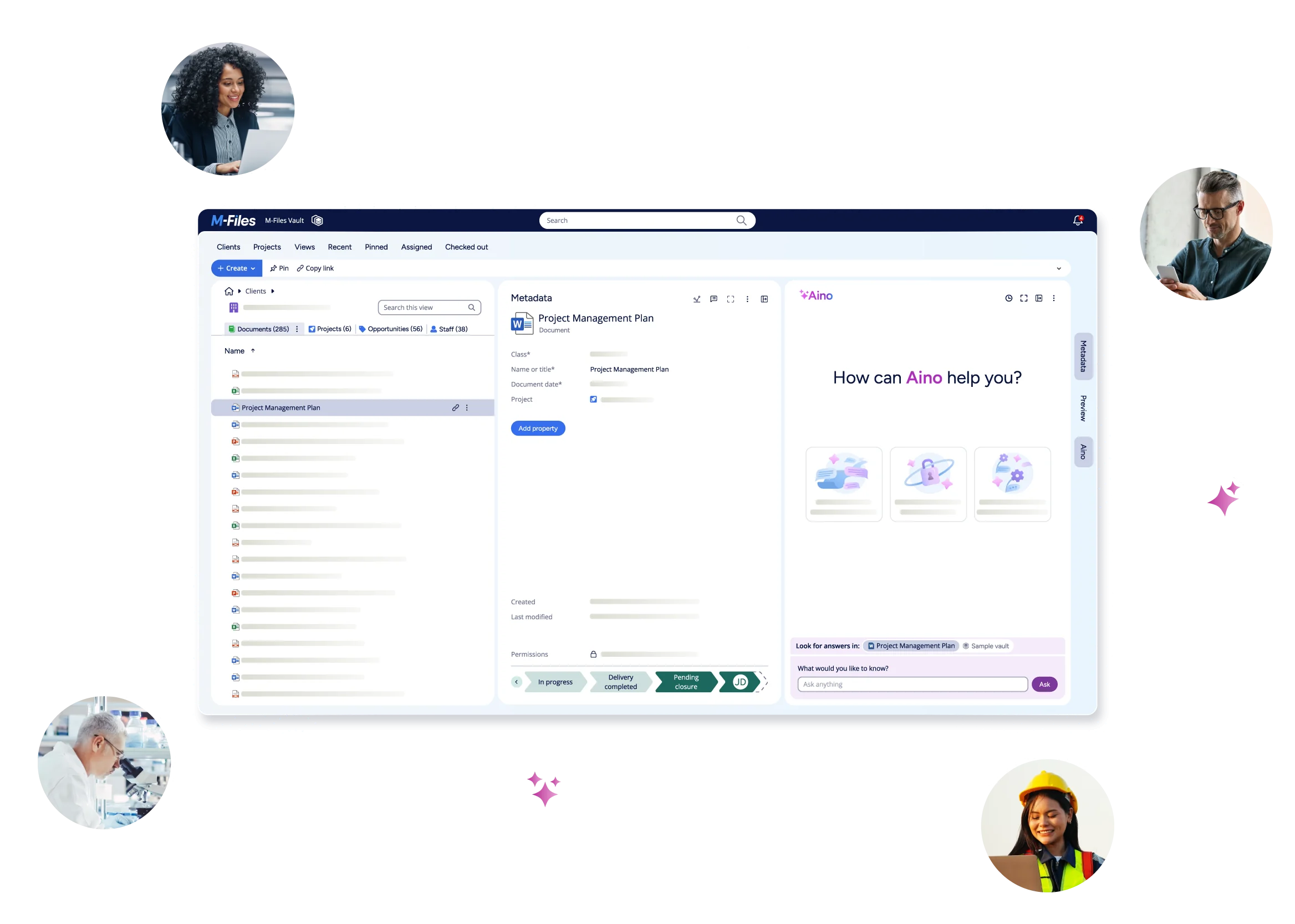
See M-Files in Action
Seeing is believing. Request a live demo to discover how AI-powered document management in context can transform your organization.